DR BRUCE WEXLER
2016 Innovation Award Recipient
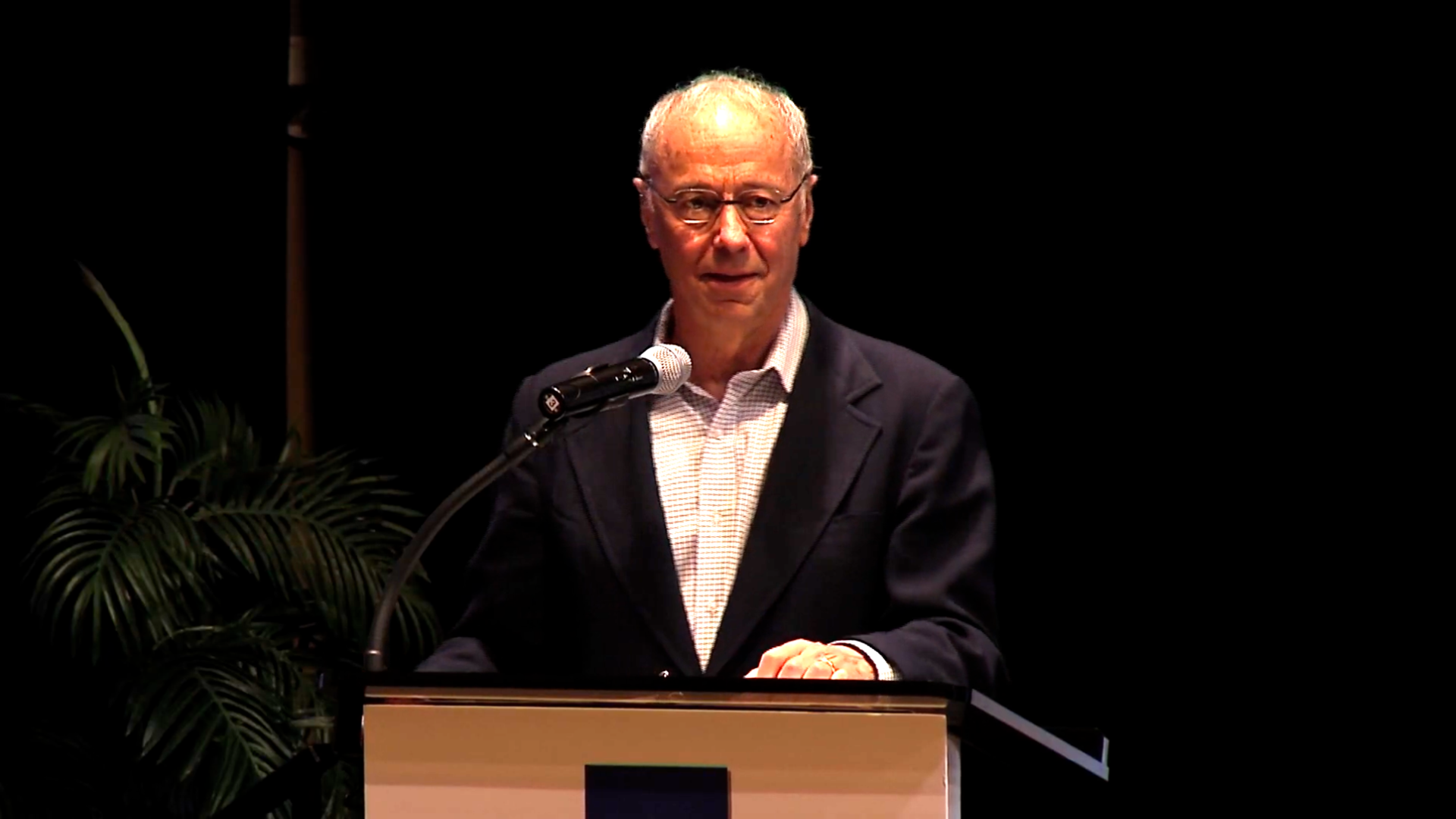
Introduction
Aaron LaPedis (Host): Bruce Wexler MD has been selected to be the 2016 recipient of the Invisible Disability Association Innovation Award. Dr. Wexler has been chosen based upon his vision and innovation as the founder of C8 Sciences. C8 Sciences brings together cutting-edge cognitive software, physical exercise, and cognitive assessments from the National Institute of Health to improve the core cognitive functions in children with ADHD and other disorders. Dr. Bruce Wexler.
Dr. Bruce Wexler’s Acceptance Speech
I think we all know that Sherri and Wayne were onto something when they created Invisible Disabilities. The response I’ve been told—I’ve only recently become aware of the organization—but the response initially, Wayne, to your efforts, was just phenomenal, and not just in this country, but even internationally.
And why? Well, because it’s a real problem to have a disability, and one part, as I understand it, is that you’re isolated if it’s invisible. There are other people who might share that, but you don’t even recognize it or see it in each other. And community is so important when you’re trying to deal with things like this.
Navigating Visibility and Stigma
The visibility of disability is a complicated question because when you have disabilities, many times, you want to make them less visible. So, you’re living in that tension with a variety of forces and incentives pushing you to keep the disability less visible so that people don’t judge you or categorize you by it, yet not wanting to be alone with it and also not wanting to be misjudged and misunderstood because they attribute some other cause to your disability.
Shared Humanity and Understanding
I’ve worked, obviously, with many patients with serious psychiatric disorders for many years, so I know something about that struggle, but I don’t know it as well as those of you who face the challenges in a more significant way than others of us. I say it that way because we all have limitations. We all have some disabilities of sorts.
I mean, when I think about this, I can’t help but think about myself, you know. I mean, I don’t have a diagnosed disability, but I have my limitations and I like not to make those so visible. Surely they come out. So, it’s a little bit of a census of what that this is all about. But the opportunity to learn more about it from people who struggle with it more deeply, perhaps than I do, is welcome.
Community Response and Acknowledgments
And then certainly, the further tribute to this idea is the quality of this event that I see here. The quality of questions and conversations I’ve had with many of you in the breaks is impressive, and I’ve learned so much from my co-presenters.
I feel like we’ve got a very strong community response in multiple dimensions to the issue that you two have put your hand on, and also the approach you bring to it, which is exploratory, holistic, and multi-dimensional. So, thank you for the award and thank you for what you’re doing.